

Understanding Auxiliary and Emergency Heat in Heat Pump Systems in Frisco TX
Introduction to Auxiliary and Emergency Heat
Welcome to the cozy corner of Southern Comfort Mechanical, where we break down the heating jargon to keep you informed and prepared for Texas winters! Understanding your home’s heating system is crucial in Lewisville and the surrounding areas, especially when the temperature takes a dip.
Today, we’re diving into two often misunderstood terms in the heat pump world: auxiliary and emergency heat. Both play pivotal roles in ensuring your home stays warm, but they operate under different conditions and with distinct purposes.
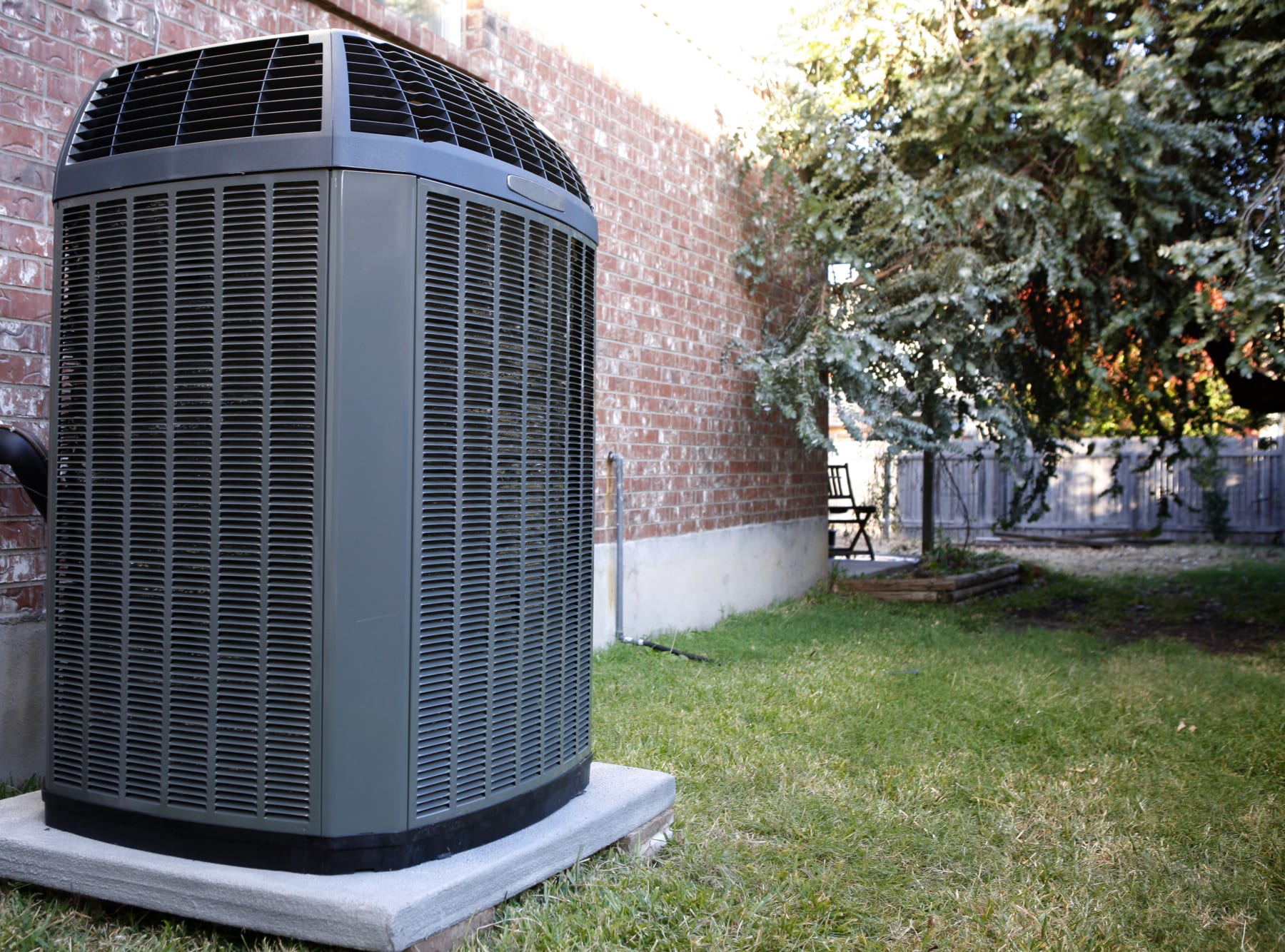
Key Differences Between Auxiliary and Emergency Heat
Activation Mechanism
- Auxiliary Heat Activation
Auxiliary heat, or “aux heat,” is your heat pump’s helping hand. As the outdoor temperature drops, the efficiency of your heat pump may start to wane. This is where auxiliary heat steps in automatically, providing that extra bit of warmth needed to keep your living space comfortable without any manual input from you.
- Emergency Heat Activation
On the flip side, emergency heat is like the cavalry coming to the rescue when there’s a problem. If your heat pump malfunctions or the temperature outside plummets unexpectedly, you’ll need to manually switch to emergency heat. This setting bypasses the heat pump entirely, providing heat directly from a more traditional, less efficient source.
Navigating Auxiliary and Emergency Heat in Heat Pump Systems
Auxiliary heat serves as a backup, kicking in when the heat pump alone can’t keep up with the demand due to moderately cold temperatures. It’s designed to supplement, not replace, the heat pump’s effort, ensuring your home remains a haven of warmth.

Role of Emergency Heat
Think of emergency heat as your plan B during extreme conditions or equipment failures. It’s there to ensure you stay warm, even when the main system is down or struggling against Mother Nature’s chillier moods.
Energy Efficiency of Auxiliary Heat
While auxiliary heat does pull more energy than just running your heat pump, it’s still more energy-efficient than relying solely on emergency heat. It’s a necessary compromise to maintain comfort without skyrocketing your energy bills unnecessarily.
Energy Efficiency of Emergency Heat
Emergency heat, while effective in crises, is a notorious energy guzzler. Relying on this setting regularly can lead to significant increases in your monthly bills, which is why it’s reserved for true emergencies.
When Does Auxiliary Heat Activate?
Your system’s thermostat is calibrated to bring on auxiliary heat automatically when temperatures outside drop to about 35-40°F, ensuring the heat pump’s efficiency doesn’t falter.
Emergency heat won’t kick in without a little help from you. You’ll need to activate it manually, typically when you notice that the heat pump isn’t doing its job due to a malfunction or severe cold.
One of the biggest perks of auxiliary heat is its automation. Your thermostat senses when it’s needed and activates it without any effort on your part. Conversely, emergency heat requires your intervention. It’s a deliberate decision made when you realize that the standard settings just aren’t enough under the current circumstances.
Energy Costs
- Cost Implications of Auxiliary Heat
While using auxiliary heat does increase your energy usage, it does so within a manageable range, especially when compared to the alternative of emergency heat.
- Cost Implications of Emergency Heat
Be cautious with emergency heat; its high energy demand can lead to startlingly high energy bills if used extensively or unnecessarily.
System Integrity
- How Auxiliary Heat Supports System Efficiency
By stepping in only when necessary, auxiliary heat helps your heat pump maintain its longevity and efficiency, reducing wear and tear by ensuring it doesn’t struggle to meet temperature demands on its own.
- Emergency Heat as a Temporary Solution
Using emergency heat indicates a potential underlying issue with your heat pump. It’s a stopgap, not a solution, and often signals that repairs or maintenance are needed to get your system back to peak condition. Many homeowners may not even realize when auxiliary heat is active; it’s seamless and integrated into the heat pump’s operation.
- Awareness Levels with Emergency Heat
The need to manually switch to emergency heat raises red flags about your system’s health, making it impossible to ignore that a technician’s expertise might be required soon.
Climate Impact
- Environmental Impact of Auxiliary Heat
Auxiliary heat has a relatively lower environmental impact than emergency heat, making it a more sustainable choice for supplemental heating.
- Environmental Impact of Emergency Heat
Due to its high energy use, emergency heat has a greater negative impact on the environment, another reason to use it sparingly and only in true emergencies.
Optimal Use of Auxiliary Heat
Auxiliary heat is best used during those chilly but not quite freezing nights or when your heat pump just needs a little help to keep up. Reserve emergency heat for times when the heat pump is out of commission—whether due to extreme weather or a malfunction—and immediate repairs are not possible.
Practical Tips for Managing Auxiliary and Emergency Heat
Navigating the use of auxiliary and emergency heat doesn’t have to be complicated. With a few tips and regular maintenance, you can ensure your system operates efficiently without undue stress on your wallet or comfort.
How to Optimize Auxiliary Heat Usage
Keep an eye on the weather and adjust your thermostat settings accordingly to minimize the need for auxiliary heat. Ensure your insulation is up to snuff; good insulation reduces the workload on your heating system, thereby reducing the need for auxiliary heat. Only switch to emergency heat when necessary, such as during a heat pump failure or extreme cold that your heat pump cannot handle.
Call a professional immediately if you find yourself needing to use emergency heat, as this indicates a serious issue with your primary heating system.

Maintenance Tips to Avoid Overreliance on Emergency Heat
- Schedule regular maintenance checks with Southern Comfort Mechanical to keep your heat pump in optimal condition.
- Replace filters and clear any debris around your heat pump units to ensure unimpeded airflow and efficiency.
- Common Misconceptions About Auxiliary and Emergency Heat
- Let’s clear up some common myths to ensure you have the facts straight:
Conclusion
Understanding the distinctions between auxiliary heat and emergency heat is key to managing your home’s climate effectively. Here at Southern Comfort Mechanical in Lewisville, Texas, we’re committed to helping you maintain a comfortable, efficient home all year round. Whether you’re dealing with a chilly night or a full-blown cold snap, knowing when and how to use your heat pump’s auxiliary and emergency heat settings can make all the difference. Stay warm, stay informed, and remember, we’re here to help with any heating challenges you face!
Ready to optimize your home’s heating system? Contact Southern Comfort Mechanical today for expert assistance and ensure your comfort all year round!
We love blog posting so much that we wrote a ton of other blog posts (https://scmdfwair.com/blog/) about it.



